|
|
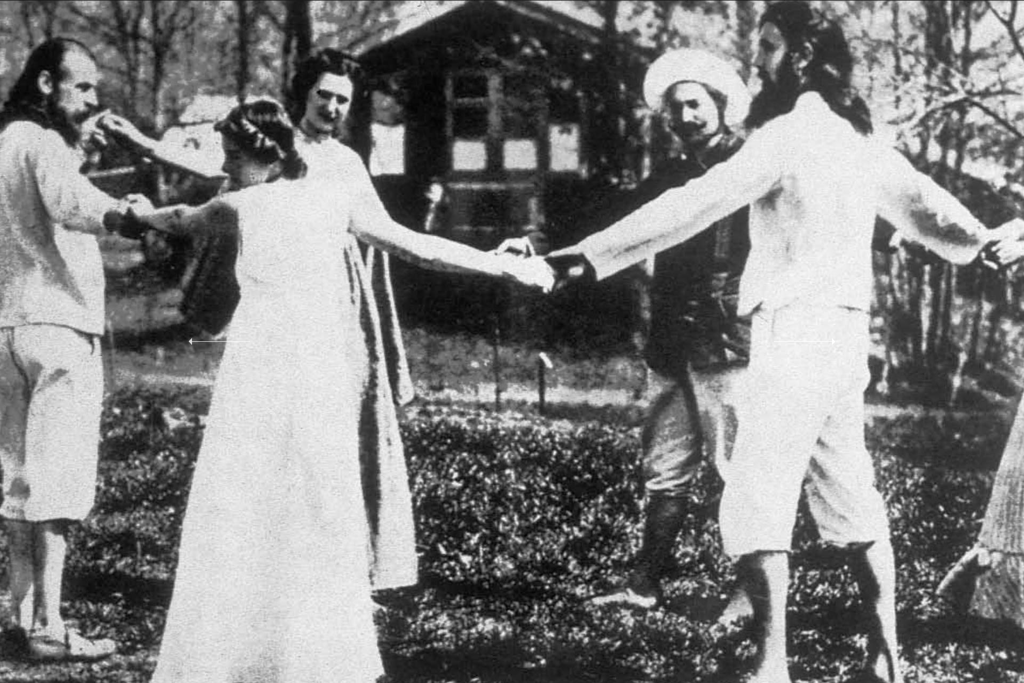
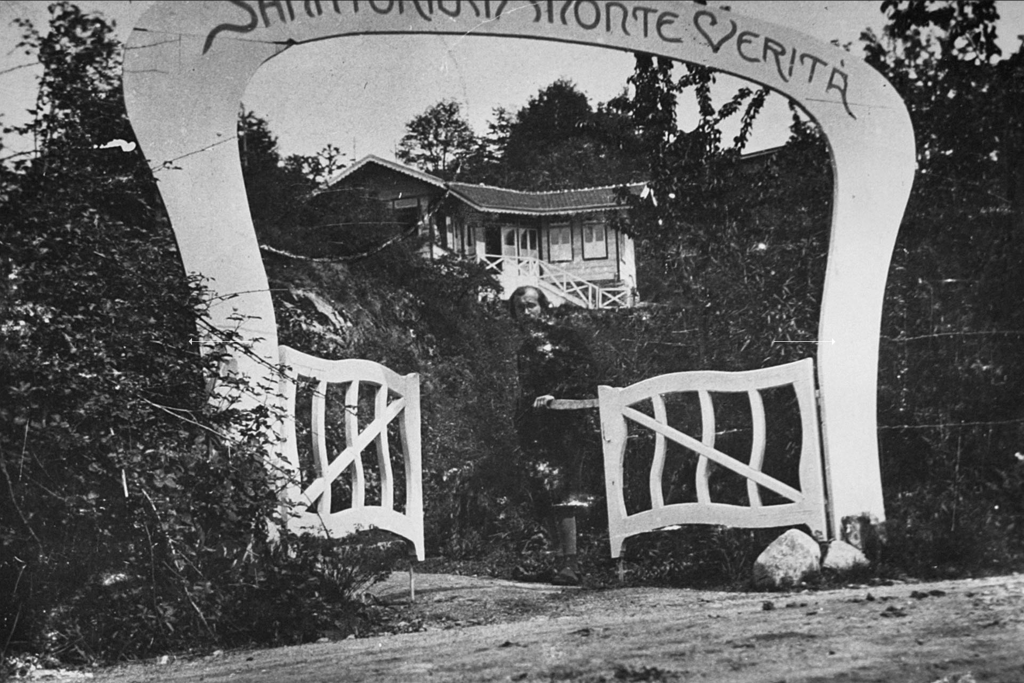
In the tapestry of human endeavors, there lies a verdant hill in Switzerland known as Monte Verità, “Mountain of Truth,” which whispers tales of inspiration as timeless as the very earth upon which it stands. This place, cradled in the bosom of Ascona, became a beacon for souls seeking enlightenment, a utopian canvas upon which was painted dreams of a life unbound by societal chains, a life that danced to the rhythm of nature and human connection.
The most inspiring aspect of the community on Monte Verità is not merely found in its picturesque landscapes, but in the ethos that permeated its very soil—the relentless pursuit of a harmonious existence that intertwined the spiritual with the earthly, the individual with the collective. Here, in the early 20th century, artists, thinkers, and seekers from across the globe congregated, drawn by a magnetic yearning to explore the depths of human consciousness and to live in a manner that was radically authentic.
This community, a mosaic of free spirits, was inspired by a shared belief in the possibility of creating a new world, one where life was lived with intention, where the art of being was valued over the artifice of societal expectations. They practiced vegetarianism, natural healing, and communal living, seeking to peel away the layers of convention to reveal the core of true human connection and well-being.
The legacy of Monte Verità is a testament to the power of collective imagination, a reminder that when individuals come together with a shared vision, they can construct a reality that transcends the ordinary. It teaches us that the pursuit of truth is not a solitary journey but a communal voyage, where the sharing of ideas and experiences enriches the tapestry of understanding.
As we reflect on the community of Monte Verità, let us ask ourselves: In what ways can we foster a sense of purpose and connection in our own communities? How can we, too, strive to live more authentically and harmoniously with both nature and one another?
Utopias
The quest for utopia—a place of ideal perfection in laws, government, and social conditions—has been a perennial pursuit, a beacon guiding humanity’s collective imagination towards the shores of possibility. From the verdant slopes of Monte Verità to the digital realms of modern utopias, these experiments in communal living serve as both inspiration and cautionary tales, illuminating the path towards creating more harmonious and connected communities.
Historical Utopias
Plato’s Republic: In this philosophical text, Plato sketches the blueprint for an ideal society governed by philosopher kings and queens, where justice prevails and citizens live in harmony, each contributing to the common good according to their abilities and receiving according to their needs.
The Anabaptist Kingdom of Münster (1534-1535): This brief and tumultuous experiment in communal living was founded on radical Protestant principles, aiming to establish a New Jerusalem. It was marked by communal property, the abolition of money, and an attempt to live according to the teachings of the New Testament.
Brook Farm (1841-1847): Located in Massachusetts, USA, this utopian experiment sought to integrate labor and leisure, allowing its members to engage in intellectual pursuits while also contributing to the community’s agricultural work. It was inspired by transcendentalist ideals and sought to create a more equitable society.
The Oneida Community (1848-1880): In New York, USA, this community attempted to redefine social and family structures through complex marriage where every member were considered to be married to each other. They also engaged in practices like sexual continence and communal child-rearing, challenging the traditional family structure and promoting a radical form of sexual equality and freedom.
Modern Utopias
Twin Oaks Community (Founded in 1967): This intentional community in Virginia offers a space where norms around sexuality and relationships can be openly discussed and explored. Twin Oaks operates on the principles of egalitarianism and shared economy, creating an environment where personal choice and freedom in sexual matters are respected as part of the broader values of autonomy and mutual respect.
Auroville (Founded in 1968): In the south of India, Auroville represents a living experiment in international living, aiming to be a universal town where men and women of all countries live in peace and progressive harmony. It is guided by the vision of Mirra Alfassa (The Mother) and is dedicated to human unity, sustainability, and spiritual awakening.
Christiania (Founded in 1971): In the heart of Copenhagen, Denmark, this free town has become a symbol of countercultural values, advocating for self-governance, ecological sustainability, and communal living. Despite facing legal and societal challenges, Christiania remains a vibrant example of alternative urban living.
Rainbow Gatherings (Started 1972): At the heart of the Rainbow Gatherings lies an inspiring vision of unity and connection. These assemblies, occurring in natural settings away from the trappings of modern civilization, invite individuals from all walks of life to come together to share in the experience of community living based on ideals of simplicity, sustainability, and mutual aid. There are no leaders, no formal organization, and no agenda, except that which the participants bring with them and create in the moment. These gatherings remind us that utopia is not a destination but a process of striving towards ideals of community, equality, and harmony with nature. They challenge the prevailing narratives of individualism and competition, proposing instead a model of living that celebrates connection, shared humanity, and the infinite possibilities that arise when hearts and hands come together.
Federation of Damanhur (Founded in 1975): Located in Italy, Damanhur is a spiritual community with a strong emphasis on artistic expression and personal growth. It fosters a culture of openness and exploration in all aspects of life, including sexuality, within the context of spiritual and personal development.
Transition Towns: This grassroots network initiative aims to increase self-sufficiency to reduce the potential effects of peak oil, climate destruction, and economic instability. Transition towns focus on sustainable living, community building, and local economies, representing a modern, decentralized approach to creating utopian spaces within existing communities.
Each of these examples, from the philosophical ideations of ancient Greece to the practical experiments of the 21st century, offers insights into the challenges and triumphs of communal living. They teach us that the pursuit of utopia is not about finding a perfect place but about striving to create spaces where individuals can connect, grow, and contribute to the well-being of the whole. Modern utopias highlight how redefining relationships and sexual norms can be part of broader efforts to create societies that honor individual freedom, mutual respect, and the collective well-being. Through their practices, these communities invite a reflection on how societal norms shape our understanding of sexuality and relationships, and how creating spaces for exploration and open dialogue can lead to more fulfilling and authentic ways of living together.
Inspiration
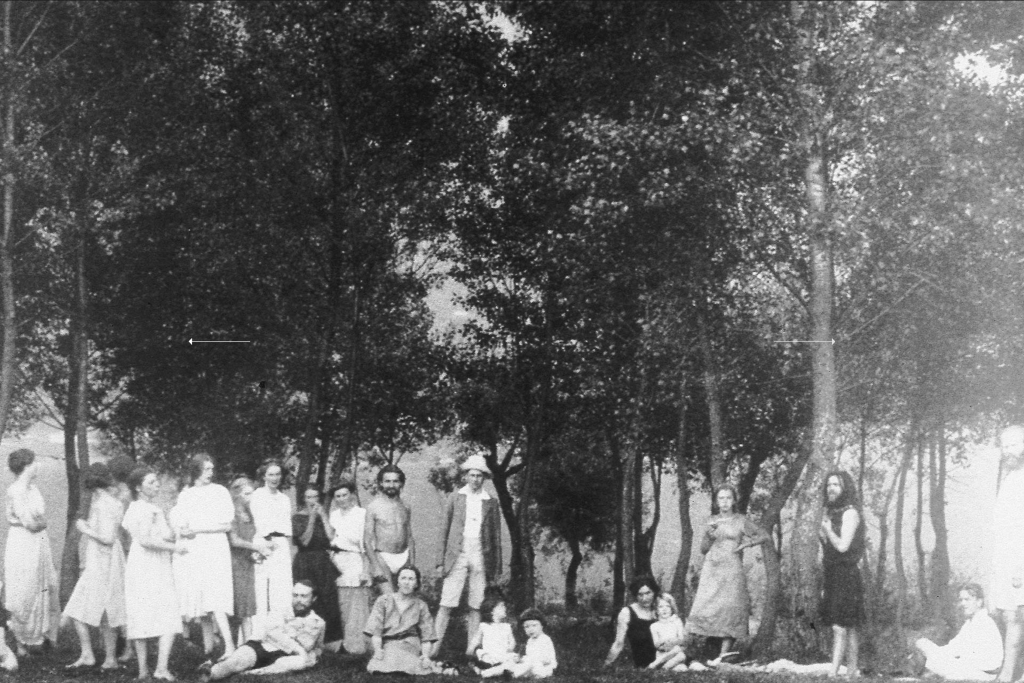
Drawing from the vibrant example of Monte Verità, where the threads of individual purpose were woven into a tapestry of communal connection, we can find inspiration to cultivate similar bonds within our own communities. The essence of Monte Verità’s allure lay not just in its idyllic setting but in its embodiment of certain principles that transcended the physical space and time, principles that can be adapted and applied to foster purpose and connection today.
Principles
Cultivating Spaces for Open Dialogue and Expression: Just as Monte Verità offered a haven for free thought and expression, creating spaces in our communities where individuals feel safe and encouraged to share their ideas, dreams, and vulnerabilities can foster a deeper sense of belonging and purpose. These spaces could be physical, like community centers or gardens, or virtual, offering a platform for diverse voices to be heard and acknowledged.
Embracing Shared Values and Visions: The community on Monte Verità was bound by a collective pursuit of an alternative lifestyle that emphasized harmony with nature, artistic expression, and social reform. By identifying and uniting around shared values—whether they be sustainability, social justice, collective living, or community wellness—modern communities can cultivate a strong sense of purpose that motivates collective action.
Experimenting with Alternative Living Practices: Inspired by the experimental lifestyle of Monte Verità, communities can explore new ways of living that challenge the status quo. This might involve communal living arrangements, cooperative economies, sustainable living practices, or innovative educational programs. Such experiments can act as laboratories for discovering more meaningful ways of living together.
Fostering Artistic and Creative Expression: Art and creativity were central to the lifeblood of Monte Verità, serving as mediums for exploration and expression of its ideals. Encouraging artistic endeavors in our communities—through festivals, workshops, and galleries—can not only enrich the cultural landscape but also strengthen communal bonds and individual sense of purpose.
Promoting Holistic Well-being: The inhabitants of Monte Verità were pioneers in exploring holistic approaches to health and well-being, integrating physical, mental, and spiritual dimensions. Communities today can embrace this holistic approach, promoting practices that support overall well-being, such as mindfulness, yoga, and community-supported agriculture.
Engaging with Nature: The deep connection to the natural world was fundamental to Monte Verità’s ethos. By fostering a closer relationship with nature—through conservation efforts, outdoor education programs, and the creation of green spaces—communities can cultivate a sense of interconnectedness and respect for the environment.
In essence, the spirit of Monte Verità reminds us that communities thrive when they dare to imagine and enact alternative ways of being. By embracing principles of openness, shared purpose, experimental living, creativity, holistic well-being, and a deep connection with nature, we can weave the fabric of our communities tighter, creating spaces where individuals find purpose and connection.
Activities
Monte Verità became a sanctuary for those seeking to escape the stifling conventions of society, to live in harmony with nature, and to explore the depths of the human spirit. Activities were as varied as they were revolutionary, reflecting a confluence of artistic, philosophical, and lifestyle experiments that sought to redefine the contours of human existence.
Communal Living and Economic Experiments: The inhabitants of Monte Verità rejected the materialism and individualism of modern industrial society, opting instead for communal living arrangements. They shared resources, responsibilities, and the fruits of their labor, aiming to create an egalitarian society that valued the collective well-being above personal gain.
Vegetarianism and Natural Healing: Central to the community’s ethos was a deep respect for all living beings and the environment. This was manifested in a commitment to vegetarianism, which was quite radical at the time, and an exploration of natural healing practices. They believed that a diet free from animal products and a lifestyle in tune with nature were essential for physical, emotional, and spiritual health.
Artistic and Cultural Flourishing: Monte Verità attracted artists, writers, and thinkers from across Europe, turning the community into a vibrant cultural hub. The residents engaged in a plethora of artistic activities, including painting, sculpture, literature, and theater, often blurring the lines between life and art. The community became known for its open-air performances, which combined dance, music, and expressionist theater, reflecting their quest for freedom of expression and the breaking of artistic conventions.
Philosophical and Spiritual Exploration: The mountain was also a site for philosophical and spiritual inquiry. Inspired by a range of traditions, from Theosophy to Eastern philosophies, the inhabitants sought to explore the deeper meanings of existence and to achieve higher states of consciousness. They held discussions, lectures, and seminars on various spiritual and philosophical topics, aiming to foster a community of seekers united in their quest for truth.
Physical Culture and Expression: Embracing the ideals of the Lebensreform (life reform) movement, the community placed a strong emphasis on physical well-being and natural living. This included practices such as naturism (nudism), which they saw as a way to return to a natural state of being and to celebrate the human body in its purest form. They also engaged in gymnastics, dance, and other forms of physical exercise, viewing these activities as essential for the harmonious development of body and spirit.
The legacy of Monte Verità is a testament to the enduring human desire to envision and create alternative ways of living, ones that foster a deeper connection to nature, to each other, and to the inner self. The community’s practices and events offer a glimpse into a moment in time when individuals dared to dream of a world governed by different values—of truth, freedom, and harmony.
Challenges
The story of Monte Verità, a beacon of alternative living and artistic experimentation in the early 20th century, is one of aspiration meeting the arduous realities of communal life. Yet, like many utopian communities, Monte Verità faced its share of challenges that provide valuable lessons on the complexities of communal living.
Key Issues
Reflecting on the story of Monte Verità, we are reminded of the enduring human desire to reimagine society and the complexities of translating visionary ideals into sustainable practices. As we look towards creating our utopias, how can we learn from the key issues that occured in the past to navigate the challenges of communal living more effectively?
Ideological Differences: One of the most significant challenges was managing the diversity of beliefs and visions among its members. The community attracted a wide range of individuals with varying ideologies, from anarchists to pacifists and feminists. These differences, while enriching, also led to disagreements on the community’s direction and practices, highlighting the difficulty of sustaining a unified vision in a diverse group.
Economic Sustainability: Financial sustainability posed a constant challenge. The ideal of living off the land and in accordance with nature was noble but often impractical without external sources of income. The reliance on donations or the income from guests and educational courses was not always sufficient to meet the needs of the community, underscoring the tension between utopian ideals and economic realities.
Social Dynamics and Leadership: Despite ideals of equality and communal decision-making, power dynamics and leadership issues often emerged. Charismatic leaders sometimes took central roles, which could lead to conflicts or create a de facto hierarchy, challenging the principles of egalitarianism and democratic governance.
Integration with Local Communities: The relationship between utopian communities like Monte Verità and the surrounding local communities was not always harmonious. Differences in lifestyle, values, and practices could lead to misunderstandings and tensions, illustrating the challenges of maintaining an alternative community within a broader societal context that may not share its ideals.
Personal Freedoms vs. Community Needs: Balancing individual freedoms with the needs of the community proved difficult. The tension between personal expression and communal harmony is a recurrent theme in communal living, where the pursuit of individual development and the collective good may not always align.
Despite these challenges, the legacy of Monte Verità and similar communities in inspiring subsequent generations to explore alternative ways of living is undeniable. They serve as important case studies in the pursuit of utopian ideals, offering lessons on the importance of flexibility, clear communication, and the need to balance idealism with practical considerations.
Main Issues
Monte Verità, like many utopian communities that have flourished and faded in the gardens of history, was a beacon of idealism, creativity, and radical experimentation. Yet, within its verdant embrace, the seeds of discord and challenge were also sown, germinating alongside the flowers of its ideals. The very nature of human endeavor, especially when it seeks to redefine the boundaries of society and self, is fraught with trials. Monte Verità and communities akin to it navigated the tumultuous waters of ideological differences, social dynamics, and leadership challenges, each contributing to both their vibrancy and their vulnerability.
Ideological Differences
At the heart of Monte Verità was a commitment to living out various ideals: pacifism, vegetarianism, naturalism, and artistic and spiritual exploration. Yet, this commitment also meant that individuals with varying, and sometimes conflicting, interpretations of these ideals came together. The community attracted anarchists, socialists, theosophists, artists, and thinkers, each bringing their own vision of utopia. These ideological differences, while enriching the community’s tapestry, also led to debates and disagreements on the community’s direction and practices. The challenge lay in balancing diverse viewpoints and practices within a cohesive community life, a microcosm of the broader challenge of human coexistence.
Social Dynamics
The aspiration to live outside traditional social structures brought with it the challenge of creating new ones that could sustain the community. Social dynamics within Monte Verità often reflected the tension between individual freedom and communal responsibility. As members sought to escape the conventions of bourgeois society, they also had to navigate the complexities of communal living, such as shared labor, resources, and interpersonal relationships. This tension sometimes resulted in conflicts and dissatisfaction, as the practical realities of communal living clashed with individual desires and expectations.
Leadership and Governance
While the community espoused ideals of egalitarianism and collective decision-making, the question of leadership and governance inevitably arose. In the absence of formal hierarchies, informal leaders emerged, but their influence and decisions were not always accepted unanimously. The challenge of leadership in such communities lies in the delicate balance between guiding the community towards its shared vision and respecting the autonomy and input of all members. Leadership disputes and governance issues often highlighted the difficulties of practicing direct democracy and consensus decision-making, especially in a community committed to challenging societal norms.
These challenges—ideological differences, social dynamics, and leadership issues—underscore the complexities of creating and sustaining utopian communities. They reflect the perennial human struggle to reconcile the ideal with the real, the individual with the collective. Yet, it is precisely through navigating these challenges that such communities offer invaluable lessons on the possibilities and pitfalls of attempting to live out utopian ideals.
The story of Monte Verità, and others like it, invites us to reflect on the enduring question of how to build communities that honor both our shared humanity and our individual differences. It prompts us to consider: In our own endeavors to create more equitable and harmonious communities, how can we learn from the past to navigate the delicate interplay of freedom, responsibility, and shared purpose?
Intentions
In the garden of community life, intentions are like the seeds from which all actions and interactions grow. They are the silent whispers of the heart that guide the hands in shaping the world. Intentions are imbued with the power to shape reality, to mold the clay of our collective existence into forms of beauty, harmony, and purpose. They are the invisible architecture upon which communities are built, the compass that navigates the vast seas of human endeavor towards the shores of shared dreams.
Pillars
In the quest to forge communities that resonate with the spirit of Monte Verità and its kin, where the air vibrates with the energy of ideals and aspirations, several key aspects emerge as foundational pillars. These pillars not only uphold the structure of communal living but also ensure that the soul of the community breathes and thrives amidst the inevitable ebb and flow of human interaction and evolution. Drawing from the tapestry of utopian endeavors, we discern the threads that are essential to consider when building a community.
Vision and Values
The beacon that guides any community is its vision and the values that underpin this vision. Clarity and shared understanding of these principles are crucial, for they are the compass by which the community navigates. Whether it is a commitment to sustainability, artistic expression, spiritual exploration, or social justice, these values must resonate deeply with all members, creating a unified purpose that transcends individual desires.
Governance and Decision-Making
The manner in which decisions are made reflects the heart of the community’s dynamics. Embracing models of governance that foster participation, transparency, and equality ensures that the voices within the community are heard and valued. Whether through consensus, democratic processes, or other forms of collective decision-making, the chosen method should align with the community’s values and facilitate effective, inclusive governance.
Economic and Resource Sharing
One of the practical challenges of communal living is the management of resources and economic sustainability. A clear understanding and agreement on how resources are shared, contributed, and managed can prevent conflicts and ensure the community’s longevity. This includes considerations of labor division, financial contributions, and communal assets, always aligned with the ethos of mutual support and sustainability.
Social Dynamics and Conflict Resolution
The fabric of community is woven from the threads of individual lives, each with their own stories, challenges, and dreams. Nurturing healthy social dynamics and having mechanisms for conflict resolution are essential for the community’s well-being. Creating spaces for open dialogue, fostering mutual respect, and establishing processes for addressing grievances can help maintain harmony and strengthen the bonds between members.
Cultural and Spiritual Life
Communities like Monte Verità thrived on rich cultural and spiritual exploration, offering members avenues for personal and collective growth. Encouraging creativity, learning, and spiritual practices enriches the community’s life, providing nourishment for the soul and fostering a sense of connectedness and purpose.
Integration with the Environment
Respect for and integration with the natural environment not only honors the community’s responsibility to the Earth but also enhances members’ quality of life. Sustainable living practices, ecological stewardship, and a harmonious relationship with the surrounding landscape reflect a deep acknowledgment of our interdependence with nature.
Adaptability and Evolution
Finally, the ability to adapt and evolve is what allows a community to flourish over time. The recognition that change is inherent to life means that the community can remain resilient and responsive to the needs and aspirations of its members and the broader world.
In contemplating the creation of a community inspired by the ideals of Monte Verità and similar utopias, we are reminded that the journey of communal living is both a challenge and a profound opportunity. It is a chance to reimagine the fabric of human relations, to create spaces of freedom, creativity, and shared purpose.
Actions
Embarking on the journey to create spaces of belonging and transformation, inspired by utopian communities like Monte Verità, involves weaving together the threads of vision, collective effort, and a deep respect for the tapestry of human and natural relations. Here are ways we can embody these critical aspects in our own endeavors:
Cultivate a Shared Vision: Begin by gathering a collective of individuals who resonate with the core values and vision. Engage in deep, meaningful conversations to refine this vision, ensuring it reflects the aspirations and ideals of all members. This shared vision becomes the guiding star, illuminating the path forward.
Foster Inclusive Governance: Implement governance structures that empower every member to have a voice in decision-making processes. Whether through consensus-building sessions, democratic voting, or other participatory mechanisms, ensure that the process is transparent, fair, and reflective of the community’s values. Regularly revisit and refine these processes to adapt to the community’s evolving needs.
Develop Sustainable Practices: Embrace sustainability not just as an environmental ethic but as a holistic approach that encompasses economic, social, and ecological dimensions. Experiment with models of resource sharing, collective ownership, or cooperative economies that support the community’s sustainability goals. Engage in practices that minimize your ecological footprint and nurture the land that sustains you.
Create Conflict Resolution Frameworks: Acknowledge that conflict is a natural aspect of human relationships and plan for it. Develop clear, compassionate mechanisms for conflict resolution that emphasize listening, empathy, and finding common ground. Workshops on nonviolent communication and mediation can equip members with the skills needed to navigate disagreements constructively.
Enrich Cultural and Spiritual Life: Cultivate a vibrant cultural and spiritual life that allows members to explore and express their inner worlds. Organize workshops, ceremonies, and celebrations that reflect the community’s diversity and aspirations. Encourage artistic expression, spiritual exploration, and lifelong learning as integral components of community life.
Live in Harmony with Nature: Design your living spaces and practices around the principles of ecological stewardship. This can include permaculture gardens, renewable energy sources, and sustainable building practices. Foster a deep connection with the land through regular nature walks, land restoration projects, and ceremonies that honor the natural world.
Embrace Adaptability: Stay open to the lessons that each challenge and success brings. Encourage innovation and creativity in addressing the needs of the community and the wider world. Regularly reflect on the community’s direction and make adjustments as needed, keeping the shared vision at the heart of these evolutions.
Build Bridges Beyond the Community: While fostering a sense of belonging within, also extend your vision outward by engaging with the broader community. Partnerships, educational outreach, and service projects can weave your community into the larger fabric of society, creating ripples of transformation beyond your immediate sphere.
By embodying these aspects in our efforts to create transformative spaces, we participate in an ongoing experiment in living differently—an experiment that challenges us to reimagine what it means to live in community, in harmony with each other and the Earth.